










— Conditions We Treat

Plantar Fasciitis

Expert, evidence-based treatment to relieve heel pain and get you back on your feet pain-free.

— About This Condition

What is Plantar Fasciitis?

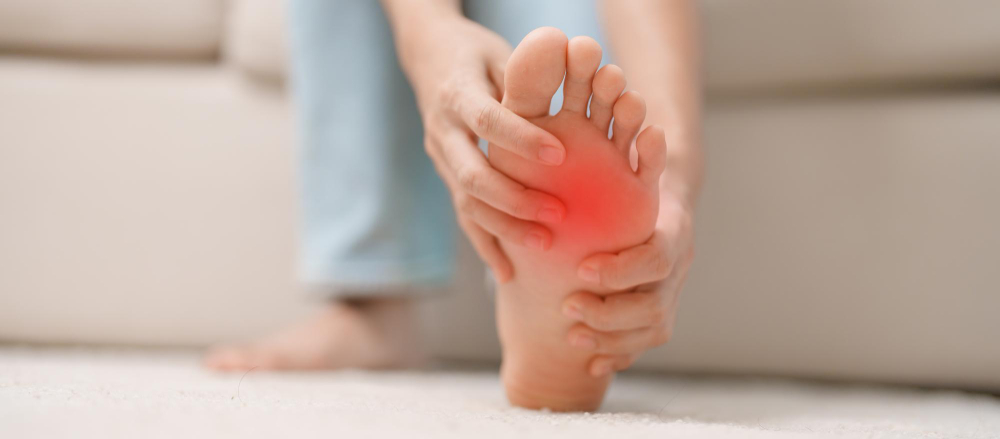
Plantar fasciitis is one of the most common causes of heel pain, caused by irritation or overload of the plantar fascia — the thick band of tissue that runs along the sole of the foot, connecting the heel bone to the toes. It plays a key role in supporting the arch and absorbing load with every step.

When the plantar fascia is repeatedly overloaded, small areas of strain and thickening can develop, leading to pain and stiffness — particularly under the heel. It’s especially common in runners, people who spend long periods standing, and those with sudden increases in activity or changes in footwear.

While plantar fasciitis can be persistent, most people respond well to a structured, progressive treatment approach that addresses both symptoms and the underlying contributing factors.

— Recognise the Signs

Common Symptoms of Plantar Fasciitis

Plantar fasciitis often presents with a distinct pattern of symptoms — here’s what to look out for.

arrow

First-Step Pain

Sharp or stabbing heel pain with the first few steps in the morning or after periods of rest

arrow

Pain After Activity

Aching or soreness that develops after — rather than during — running, walking or standing.

arrow

Heel Tenderness

Tenderness to touch under the heel, particularly toward the inner side of the foot.

arrow

Stiffness Through the Arch

Tightness or stiffness along the sole of the foot, especially noticeable when stretching the toes upward.

arrow

Pain with Prolonged Standing

Discomfort that builds after standing for extended periods, such as at work.

arrow

Worsening with Activity Increases

Symptoms that flare after a sudden increase in walking, running or standing load.

— What Causes It?

Common Causes of Plantar Fasciitis

tick

Sudden Increase in Activity

A rapid rise in running distance, walking or time spent standing without adequate progression.

tick

Reduced Calf and Foot Flexibility

Tightness in the calf muscles and Achilles tendon increasing strain through the plantar fascia.

tick

Foot Biomechanics

Flat feet, high arches, or altered foot posture placing uneven load through the fascia.

tick

Unsupportive Footwear

Worn-out or poorly supportive shoes that fail to adequately cushion and support the foot.

tick

Excess Body Weight

Increased load through the feet placing additional strain on the plantar fascia.

tick

Occupational Factors

Jobs requiring prolonged standing or walking on hard surfaces.

— Our Treatment Approach

How We Treat Plantar Fasciitis

Our approach begins with a thorough assessment to confirm the diagnosis, identify contributing factors, and rule out other causes of heel pain. From there, we build a tailored, progressive treatment plan that may include:

Postural

Load Management

Adjusting activity levels to reduce strain while keeping you moving.

Nerve

Progressive Strengthening

Targeted exercises for the foot, calf and plantar fascia to build tolerance to load.

Therapy

Manual Therapy

Hands-on treatment to improve foot, ankle and calf mobility.

foot-icon

Footwear and Biomechanical Advice

Guidance on supportive footwear, orthotics or gait factors where relevant.

exercise

Stretching and Mobility Work

Targeted techniques to address calf and plantar fascia tightness.

user-icon

Education and Self-management

Practical strategies to manage flare-ups and prevent recurrence

Most people see meaningful improvement with consistent, guided rehabilitation, though full recovery can take time given the nature of the tissue involved.

— FAQ

Plantar Fasciitis Questions Answered

Everything you need to know before your first appointment.

Can’t find your answer? Get in touch.

Recovery timelines vary, but many people need several weeks to a few months of consistent treatment and load management to see lasting improvement.

Not usually. Complete rest isn't typically necessary — we help you find the right balance of activity modification and load to support recovery while staying active.

Not always. Orthotics can help in some cases, but a thorough assessment will determine whether they're appropriate for your specific presentation.

Stretching can help with stiffness, but is usually most effective alongside a broader strengthening and load management program.

It can, particularly if contributing factors like footwear, activity load or foot biomechanics aren't addressed. We focus on long-term strategies to help reduce recurrence.

If you're experiencing ongoing heel pain, especially first thing in the morning, early assessment can help prevent the condition from becoming chronic and guide you toward effective treatment sooner.

— GET IN TOUCH

Treat Your Plantar Fasciitis

Our physios will identify the root cause at your first consultation. Same day appointments available.

Or call: 0409 371 217