











— Conditions We Treat

ACL & MCL Injuries

Expert assessment and personalised rehabilitation to rebuild strength, stability and confidence in your knee.

— About This Condition

What are ACL & MCL Knee Ligament Injuries?

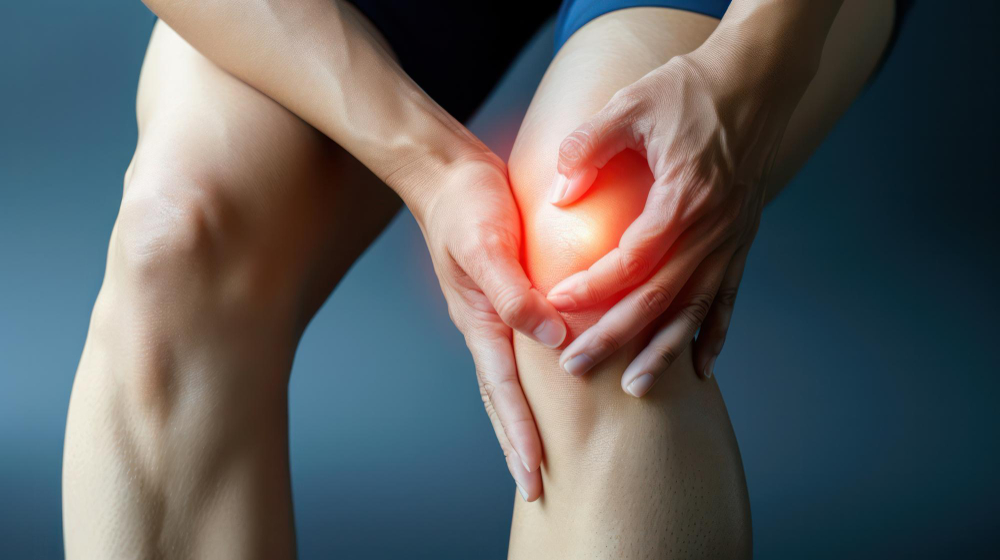
A knee ligament injury can happen in an instant — during sport, at work, or simply stepping awkwardly. Injuries to the Anterior Cruciate Ligament (ACL) and Medial Collateral Ligament (MCL) are among the most common knee injuries, and can significantly affect your confidence, mobility and ability to return to the activities you enjoy.

At Kenmore Village Physio, every recovery begins with expert assessment, accurate diagnosis, personalised rehabilitation and an evidence-based approach to recovery. Our focus is simple: accurately identify your injury, understand your goals, and guide you through a structured rehabilitation program that helps you move confidently and return to the activities that matter most.

— RECOGNISE THE SIGNS

Could this be an ACL Injury?

arrow

A Loud "Pop" or Tearing Sensation

Many people report hearing or feeling a distinct pop at the moment of injury.

arrow

Rapid Swelling Within the First Few Hours

Noticeable swelling that develops quickly, often within a few hours of the injury.

arrow

Difficulty Walking

Pain or instability that makes walking uncomfortable or difficult immediately after injury.

arrow

A Feeling That the Knee Has "Given Way"

A sensation of the knee buckling or giving out, particularly during pivoting or landing.

arrow

Instability When Turning or Pivoting

A feeling the knee can't be trusted during quick changes of direction.

arrow

Reduced Knee Movement and Confidence

Stiffness and hesitancy moving the knee normally following the injury.

— WHY EARLY ASSESSMENT MATTERS

The Right Rehabilitation Begins with the Right Diagnosis

Every knee injury begins with an expert assessment. Not all ligament injuries are the same. While some MCL injuries occur in isolation, ACL injuries are often associated with meniscal, cartilage or other ligament injuries. Identifying exactly which structures have been injured is essential to developing the right rehabilitation plan and achieving the best possible outcome.

Your assessment may include:

tick

Comprehensive ligament stability testing

tick

Assessment of knee movement, swelling and joint function

tick

Muscle strength and functional movement assessment

tick

Screening for associated ligament, meniscus and cartilage injuries

tick

Advice regarding imaging or specialist referral where clinically appropriate

— YOUR RECOVERY JOURNEY

A Staged Path Back to Full Movement

Recovering from an ACL injury requires more than simply allowing the ligament to heal.


Following a comprehensive assessment, we’ll develop a personalised rehabilitation program based on your injury, lifestyle and goals. Whether your recovery is managed conservatively or following ACL reconstruction, every stage of rehabilitation is progressed using evidence-based clinical milestones—not simply time. 


Your rehabilitation may include:

Restore Movement

• Pain and swelling management
• Restoring knee movement
• Progressive lower limb strengthening
• Walking and movement retraining

Rebuild Strength & Control

Strength alone isn't enough. Successful ACL rehabilitation also focuses on restoring knee stability, neuromuscular control, balance, coordination and movement quality. Rehab may include:

• Progressive strengthening
• Balance and proprioception training
• Movement retraining
• Jumping and landing mechanics
• Agility and change-of-direction training

Return to Performance

Returning to work or sport shouldn't be based on time alone.

Before progressing, we assess your strength, movement quality, balance, functional performance and confidence to ensure your knee is ready for the demands of everyday life, work and sport while helping reduce the risk of reinjury.

Do All ACL Tears Need Surgery?

Not necessarily. Many people recover successfully through a structured physiotherapy rehabilitation program without surgery. Whether surgery is appropriate depends on several factors, including your knee stability, activity level, work and sporting goals, and whether other structures such as the meniscus or cartilage have also been injured. Where appropriate, we work collaboratively with your GP, sports physician and orthopaedic surgeon to ensure you receive the most appropriate care throughout your recovery.

— RECOGNISE THE SIGNS

Could this be an MCL Injury?

arrow

Pain Along the Inside of the Knee

Localised pain along the inner side of the knee joint.

arrow

Tenderness Over the Ligament

Tenderness to touch directly over the injured ligament.

arrow

Swelling

Swelling around the inside of the knee following the injury.

arrow

Pain When Walking or Twisting

Discomfort triggered by walking, pivoting or twisting movements.

arrow

A Feeling of Instability With More Significant Injuries

A sense the knee may give way, more common with higher-grade MCL injuries.

arrow

Reduced Knee Movement and Confidence

Stiffness and hesitancy moving the knee normally following the injury.

— YOUR RECOVERY JOURNEY

A Staged Path Back to Full Movement

The majority of isolated MCL injuries recover successfully without surgery when managed with the right rehabilitation.

Following your assessment, we’ll develop a personalised rehabilitation program that progresses with your recovery and functional goals.

Your rehabilitation may include:

Restore Comfort & Movement

• Pain and swelling management
• Restoring normal knee movement
• Early strengthening and mobility

Rebuild Strength & Control

• Progressive strengthening
• Balance and proprioception training
• Functional movement retraining
• Lower limb control and stability

Return to normal daily life

• Return-to-work planning
• Running progression
• Sport-specific rehabilitation
• Functional testing where appropriate

— THE KENMORE VILLAGE PHYSIO DIFFERENCE

Why Choose Kenmore Village Physio?

Every rehabilitation program is built around understanding why the problem developed — not just treating the painful structure.

Therapy

Expert Assessment

We identify the cause, not just the symptom.

Specialist

Accurate Diagnosis

Clear answers before we build your plan.

fracture

Personalised Rehabilitation

Tailored to your goals, work and lifestyle.

tick

Evidence-Based Recovery

Long-term outcomes, not just short-term relief.

— GET IN TOUCH

Treat Your ALC/MCL Injury

At Kenmore Village Physio, we believe successful recovery begins with understanding your injury—not simply treating your symptoms.

Or call: 0409 371 217