
Mon–Fri 7:30am–6:30pm · Sat 7am–3pm
— Conditions We Treat
Reduce Hip Pain. Restore Strength. Move with Confidence.
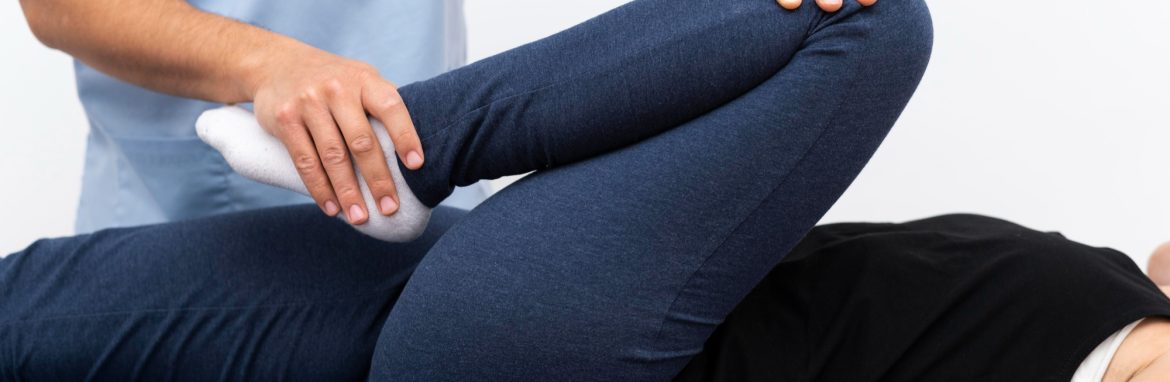











— About This Condition
Gluteal tendinopathy is one of the most common causes of pain on the outside of the hip.
It develops when the gluteal tendons become overloaded and lose their ability to tolerate everyday demands, resulting in pain, weakness and reduced hip function.
Although many people are told they have hip bursitis, research shows the gluteal tendons are often the primary source of symptoms.
— Understanding the Cause
Gluteal tendinopathy develops when the load placed on the tendon exceeds its ability to recover. Common contributing factors include sudden increases in walking, running or exercise; reduced gluteal strength; poor hip and pelvic control; previous hip or lower back problems; and repetitive compression of the tendon.
One of the biggest contributors is compression of the gluteal tendon against the outside of the hip — which increases when sleeping on the painful side, crossing your legs, or standing/sitting with weight shifted onto one hip. Reducing these compressive positions is one of the first steps in helping settle pain.
— RECOGNISE THE SIGNS

Localised pain or tenderness over the outer hip, near the bony point.
Discomfort that disrupts sleep when lying directly on the painful hip.
Pain that increases with walking, stairs or inclines.
Discomfort or weakness when balancing on the affected leg.
Stiffness around the hip that's more noticeable first thing in the morning.
Pain that can radiate down the outer thigh, sometimes as far as the knee.
— WHY EARLY ASSESSMENT MATTERS
Every successful recovery begins with understanding why your hip has become painful—not simply where it hurts.
At KVP, our experienced physiotherapists complete a comprehensive assessment to identify the factors contributing to your symptoms before developing a rehabilitation plan tailored to your goals.

— YOUR RECOVERY JOURNEY
No two cases of gluteal tendinopathy are the same.
Following your assessment, we’ll develop a treatment plan tailored to your symptoms, lifestyle, work demands and goals—progressing according to your recovery, not simply according to time.
Managing tendon load is an important part of successful rehabilitation.
At KVP, we'll show you simple ways to reduce unnecessary compression while keeping the tendon appropriately active. This may include:
✔ Sleeping with a pillow between your knees
✔ Avoiding prolonged lying on the painful side
✔ Avoiding prolonged hip hitching or sitting with crossed legs
✔ Temporarily modifying hills, stairs or walking distance
Small changes early in rehabilitation can significantly reduce irritation while creating the ideal environment for your tendon to recover.
Exercise is the cornerstone of successful gluteal tendinopathy rehabilitation.
Current evidence shows that progressive tendon loading is one of the most effective ways to reduce pain, stimulate tendon healing and restore tendon capacity.
Early rehabilitation often begins with isometric exercises to reduce pain and activate the gluteal muscles before progressing to:
✔ Progressive gluteal strengthening
✔ Hip and pelvic stability exercises
✔ Hip rotator strengthening
✔ Functional weight-bearing exercises
✔ Progressive resistance training
✔ Walking, running and sport-specific loading
For persistent or long-standing gluteal tendon pain, Extracorporeal Shockwave Therapy (ESWT) may be recommended as part of your rehabilitation.
Shockwave Therapy uses high-energy acoustic waves to stimulate the body's natural healing response, improve blood flow and support tendon repair.
At KVP, Shockwave Therapy is integrated with progressive strengthening and rehabilitation—not used as a standalone treatment—to help achieve the best possible long-term outcome.
Everything you need to know before your first appointment.
Can’t find your answer? Get in touch.
Lying directly on the painful hip increases compression through the gluteal tendon. Sleeping on the opposite side with a pillow between your knees can often reduce this pressure.
Not usually. Walking may need temporary modification, but complete rest is rarely recommended. Staying active helps maintain tendon health and supports recovery.
The two conditions can occur together, although the gluteal tendon is commonly the primary source of symptoms. A physiotherapy assessment helps determine the underlying cause of your pain.
Not always. Most cases can be diagnosed through a thorough physiotherapy assessment. Imaging may be recommended if another condition is suspected or recovery isn't progressing as expected.
Shockwave Therapy can be beneficial for persistent or long-standing tendon pain and is most effective when combined with a structured strengthening and rehabilitation program.
Many people notice significant improvement within 6–12 weeks, although longer-standing tendon problems may require several months of progressive rehabilitation.
Whether your goal is walking comfortably, sleeping through the night, returning to the gym, running or simply enjoying an active lifestyle, we'll guide your recovery with a rehabilitation program designed around your goals.
— GET IN TOUCH
At KVP, we’re committed to helping you achieve more than pain relief—we’re here to help you move with confidence and get back to the activities you enjoy most.
Our experienced physiotherapists combine expert assessment, hands-on treatment and evidence-based rehabilitation
Or call: 0409 371 217

Evidence-based physiotherapy in Kenmore, Brisbane. Trusted by families and athletes since 2014.
Same day appointments available